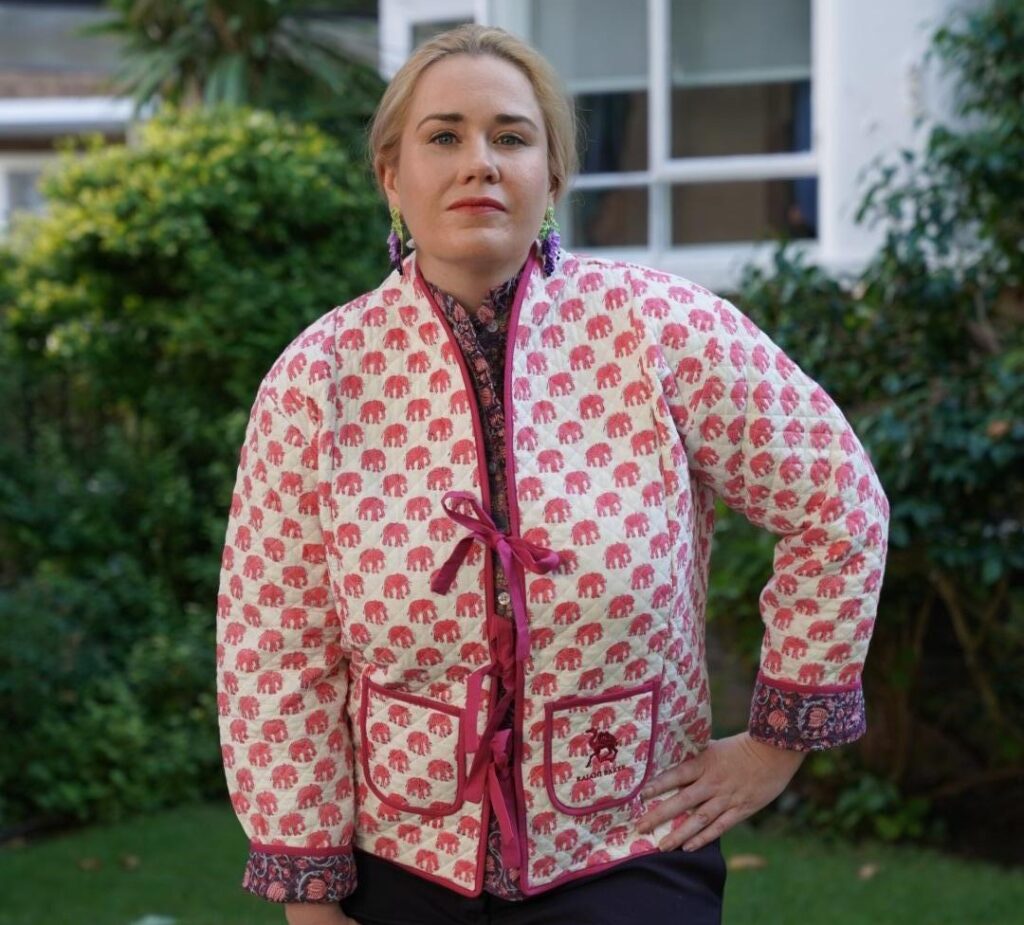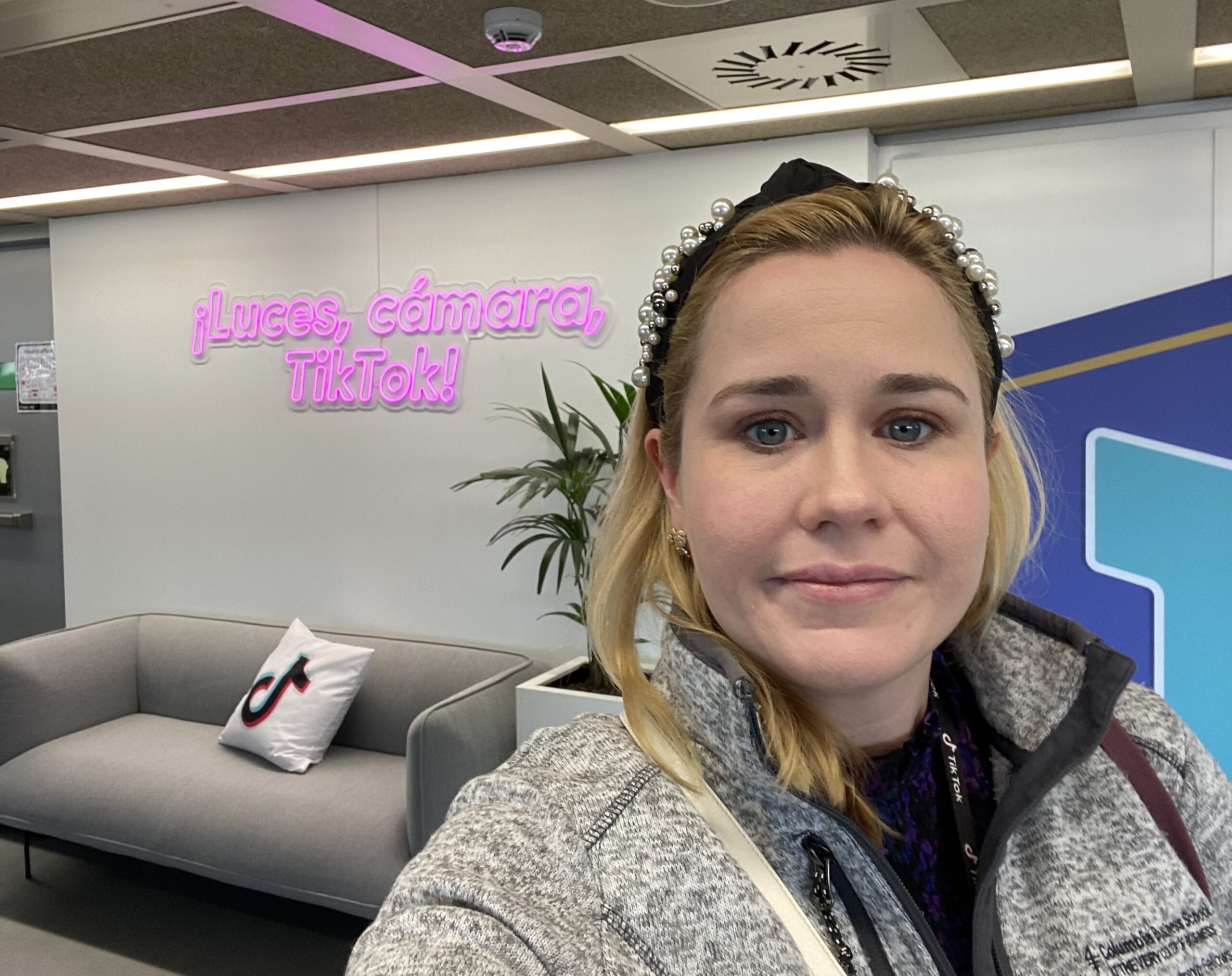

Victoria Harman was deep in the high-pressure world of tech, thriving in a fast-paced role at a major social media company, when her body issued an unmistakable warning that she couldn’t ignore.
The 36-year-old, originally from New York and now living in London, was suddenly hit by what felt like a medical emergency – a searing pain described as a “thunderclap” headache, unlike anything she had ever experienced before.
READ MORE: Meet the family of ten running a Devon Holiday Park together for over 20 years
One moment she was powering through meetings and deadlines, and the next, she was overwhelmed by a brutal, lightning-fast headache that left her flushed, disoriented, and unable to carry on as normal.
At first, Victoria dismissed the symptoms as just an unusually aggressive migraine. But when it happened again – not once, but twice more in the same week – alarm bells began to ring.
By the third incident, she was rushed to hospital where doctors immediately feared the worst. The initial concerns were grave: a brain haemorrhage, a stroke, or a cerebral aneurysm.
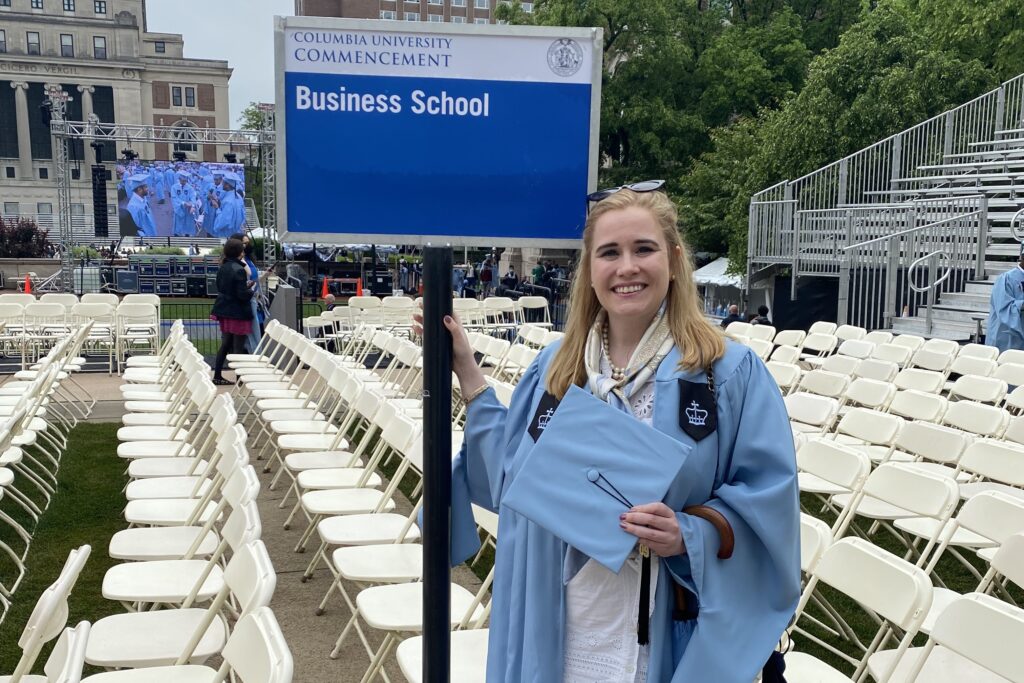
She underwent a battery of neurological tests – CT scans, MRIs, and even a lumbar puncture – before finally being diagnosed with a rare neurological disorder known as reversible cerebral vasoconstriction syndrome (RCVS).
The condition is marked by sudden, severe headaches triggered by the temporary narrowing of blood vessels in the brain.
While the syndrome is often self-resolving within a few months, it’s also unpredictable, serious, and can be dangerously misunderstood.
For Victoria, the diagnosis was more than a wake-up call – it was an abrupt full stop to her demanding lifestyle. Having built her career on momentum and constant motion, she suddenly found herself unable to function.
She was prescribed a powerful medication that left her sedated for much of the day, and she began experiencing memory lapses and disorientation – forgetting her keys, her wallet, even entire routines she once performed effortlessly.
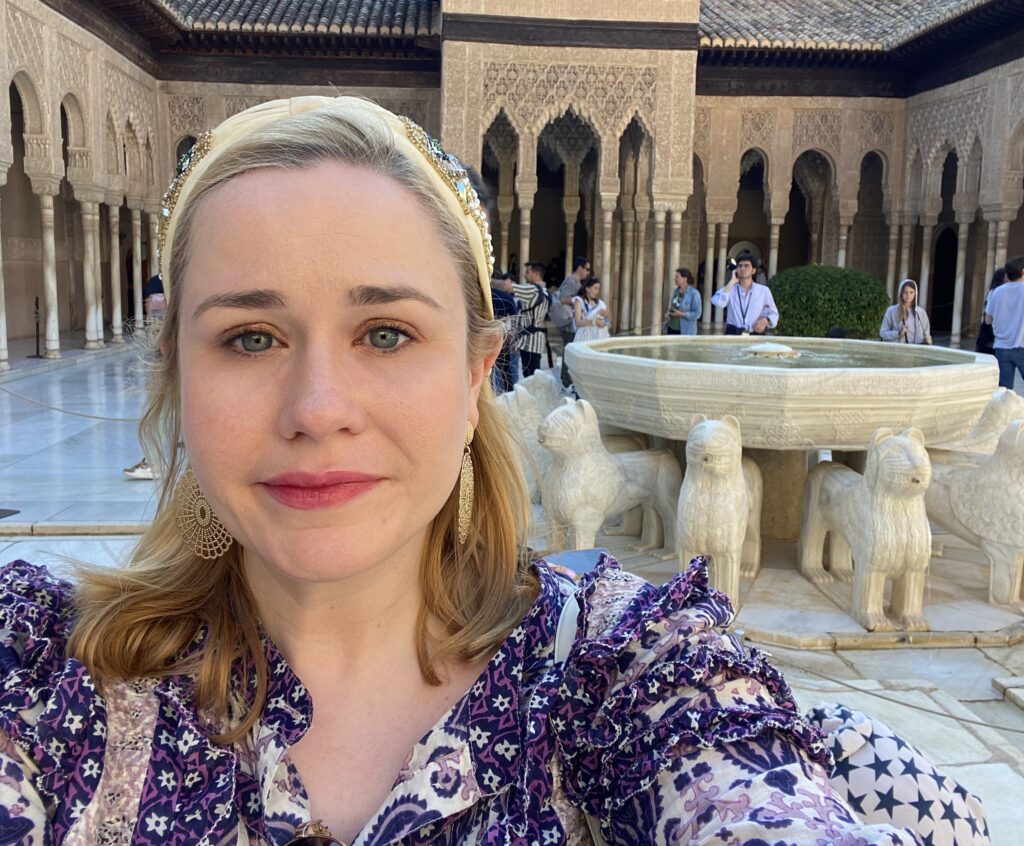
“It completely knocked me sideways,” she explained. “For someone who’d always been driven and high-performing, it was disorienting – not just physically, but emotionally.
I was used to operating at 150% every day.
Suddenly, I couldn’t even trust myself to leave the house with everything I needed.”
Doctors warned her in stark terms: if she didn’t reduce her stress, the consequences could be fatal.
A single page from the hospital, outlining the risks of another episode triggering a stroke, became the turning point.
“Seeing the words ‘you could die’ printed out like that – it forces you to take stock,” Victoria said. “I didn’t have a choice anymore. I had to slow down.”
What initially felt like a devastating derailment from her career soon became an opportunity to reassess. During her recovery, Victoria began to reflect on what she truly wanted – not just professionally, but personally.

She recognised how deeply embedded she had been in a culture that celebrated relentless hustle at the expense of wellbeing.
“For the first time in my life, I had the space to ask myself: is this what I really want? Is there something more aligned with my values, my creativity, and my long-term happiness?”
The answer came through entrepreneurship. Drawing on her past experience working with global fashion and retail brands, and inspired by her exposure to Indian craftsmanship during a trip years earlier, Victoria decided to launch something entirely her own.
The result was Rajani Baker, a curated shopping platform that celebrates artisanal fashion, accessories, and home décor – particularly championing designs by independent Indian creators and female entrepreneurs.
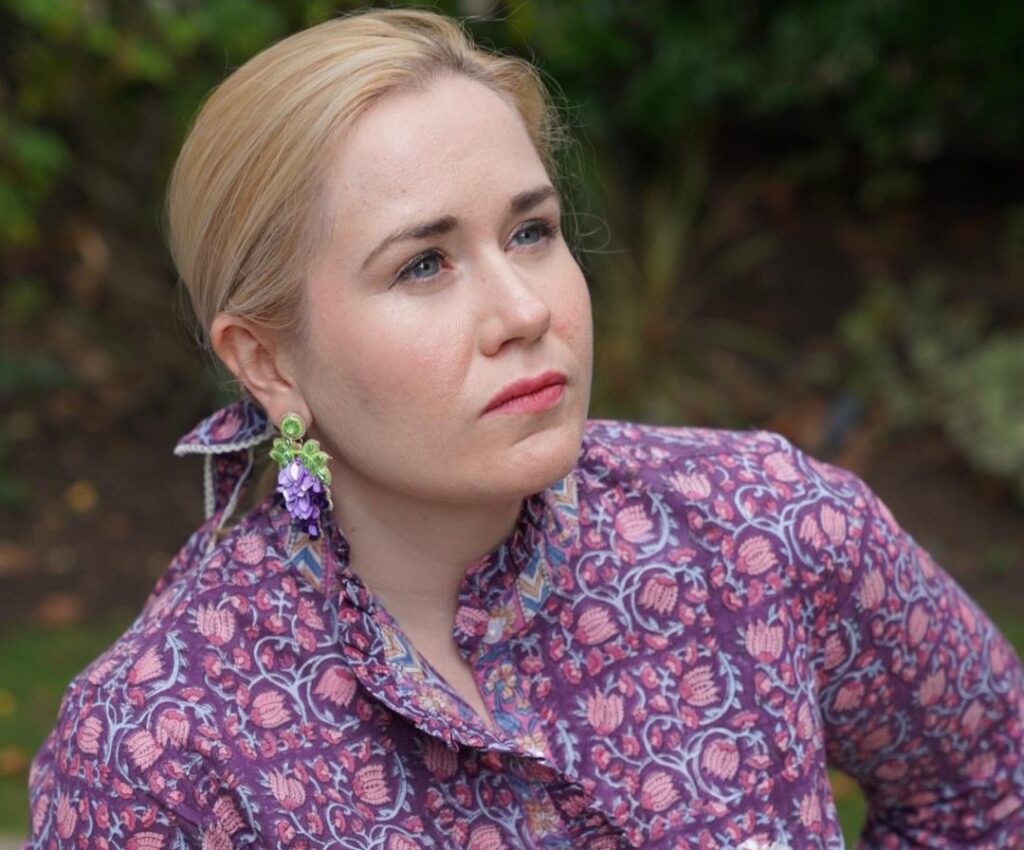
She poured her savings into the venture, and slowly, over the course of a year, she built the business from the ground up – juggling product development, branding, logistics, and legalities, all while continuing her recovery.
The business officially launched in November 2024, and while she was still managing health challenges including arterial stenosis and ongoing blood pressure issues, Victoria had created something sustainable, flexible, and deeply meaningful.
Unlike her previous roles, she could now structure her work around her health. Some days, she only had the energy to work for a couple of hours, but this time, there was no guilt, no looming deadlines, and no pressure to push through.
“I didn’t want to recreate the same stressful environment under a different name. I wanted something that aligned with my values – something that gave space to wellbeing as much as creativity.”
Rajani Baker isn’t just a brand – it’s a testament to resilience, reinvention, and purpose. Through it, Victoria is not only telling stories through beautifully made products, but also rewriting her own.
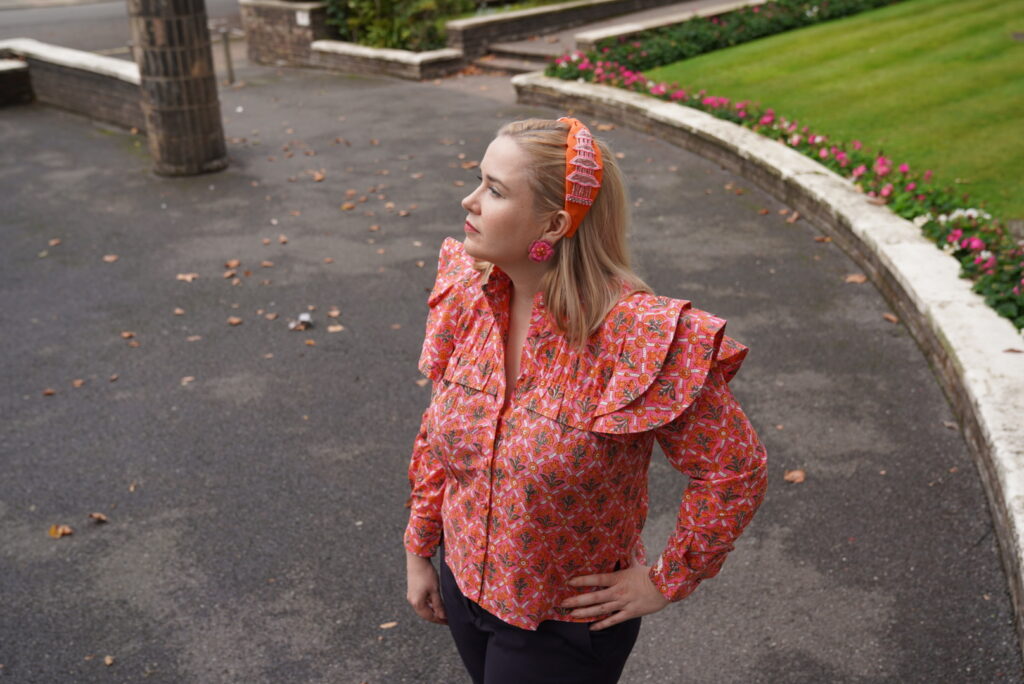
Each item featured on the site carries a narrative of heritage and skill, and Victoria has made it a point to support emerging designers and small-scale producers whose work might otherwise go unnoticed.
Speaking on the Lemonade Leaders podcast, which highlights people who’ve turned hardship into transformation, Victoria said she now feels more ambitious than ever – but with a different kind of drive.
“There’s a huge sense of fulfilment that comes from building something that reflects who you really are,” she said.
“Before, I was climbing a ladder that didn’t necessarily lead to where I wanted to go. Now, I get to design the ladder myself.”
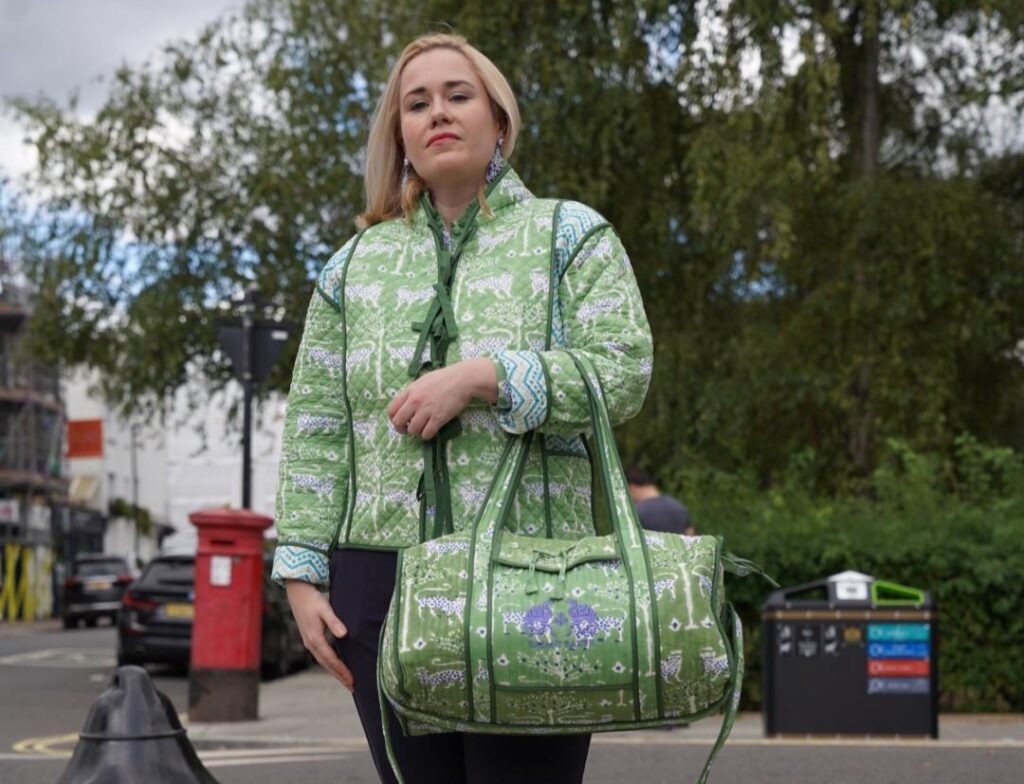
She’s now able to take time for daily wellness practices – nature walks, sound baths, puppy yoga – things that once seemed like luxuries but are now part of a new non-negotiable rhythm.
“My illness stripped everything back to the essentials. I had to ask myself what really matters. I still have goals – big ones – but they’re rooted in purpose, not pressure.”
Victoria’s story is a sharp reminder that ambition doesn’t have to come at the cost of health. Sometimes, the body forces us to make changes that the mind would never dare to.
And in her case, a sudden, life-threatening condition led to a new path – one where success is defined not just by output, but by impact, authenticity, and balance.
READ MORE: British teen breaks spending habit and saves £15,000 in a year