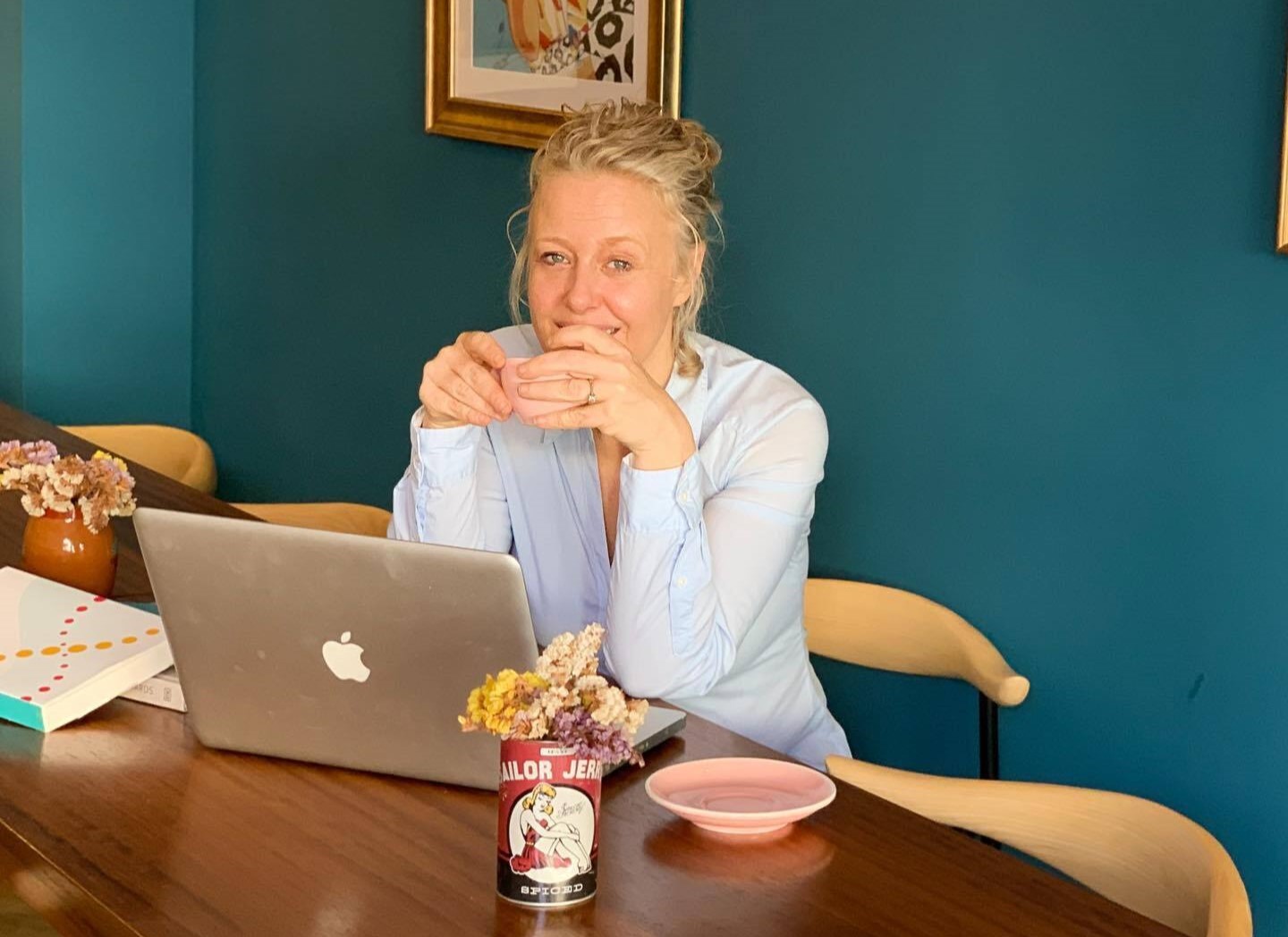

A former award-winning TV producer who retrained as a nutritional therapist has turned a supermarket shopping trip into a pioneering personalised health business but says female founders still face an uphill battle for investment.
Victoria Godfrey was standing in the vegetable aisle at Tesco when inspiration struck.
The moment would lead to DNApal.me, an app that simplifies genetic testing and helps people optimise their health based on their DNA.
Six years on, the London-based entrepreneur has won three industry awards and is in the process of pivoting her business from direct consumers to corporate clients.
“I was stuck in Tesco in the vegetable aisle and wanting to know what to eat for my genes (DNA) and I called Kate Scott in Tescos and I already had the name, DNApal to become the PAL to everyones DNA 🙂 to help guide them through and optimise their health,” Victoria told Founder Insights.
Before launching DNApal, Victoria had won 12 awards in six years as a television producer.
She retrained as a nutritional therapist in 2012, and found herself frustrated by how confusing DNA test results were even for trained professionals.
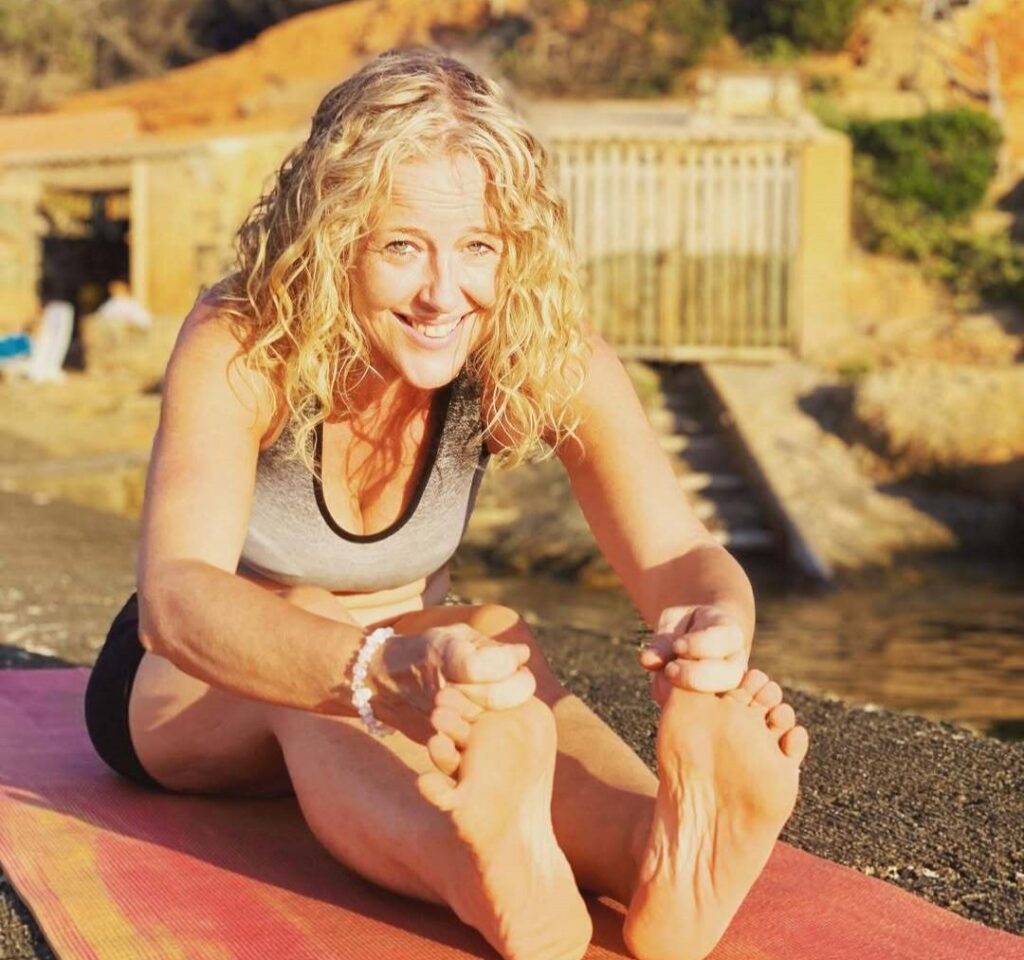
“We are trained Nutritional therapists and found our own DNA results confusing,” she said.
“We wanted to simplify genetics for the laymen. Make the suggestions for optimised health simple and actionable.
“We also take epigenetics into account which is very important to switching genes on and off.
“We wanted a product that was scaleable to help more people.”
The business has since won three awards: Best for Supplement and Vitamin Advice, Best New Product (IHCAN), and a Health and Wellbeing Award.
But despite the recognition, Victoria says the journey has been far from easy.
“Raising investment as female founders, only 3% get funded, and we have struggled,” she said.
“We see men in the same business with no qualifications in any wellness and they raise money much easier than us.”
This year has brought fresh challenges.
Revenue has declined due to a lack of marketing budget, forcing the company to shift focus from consumers to B2B partnerships.
“We’ve had to pivot to B2B rather B2C,” Victoria said.
“And we have noticed people have less disposable income to invest in this test.”
Still, she finds fulfilment in the impact the app has on users’ lives.
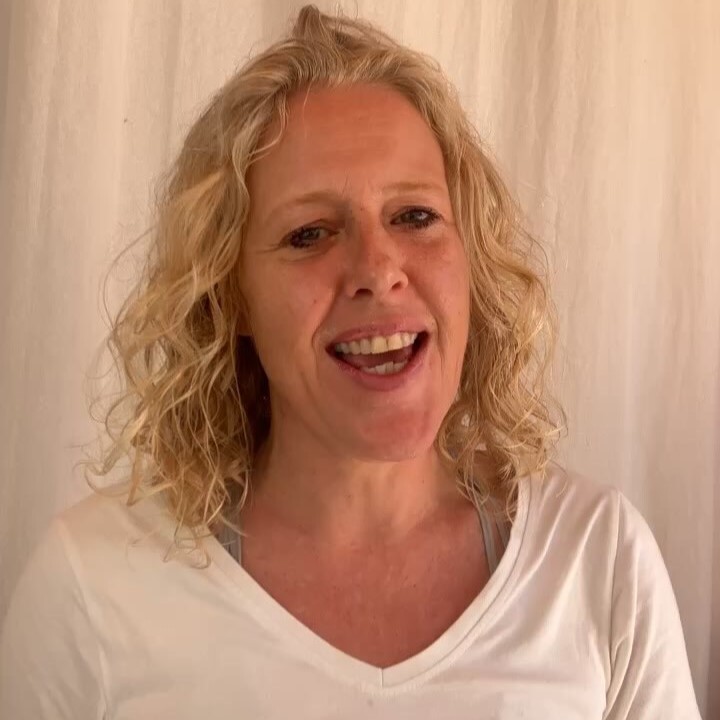
“Knowing that we were genuinely helping people change their lives, and their health trajectory,” she said.
“Seeing the people gain such insights into their health and seeing AHA moments in their brain — as they get an understanding of why they may have experienced something.”
Victoria’s first customers came through social media, though she admits marketing isn’t the company’s strength.
“We aren’t very good at marketing and could do with some help,” she said.
Looking ahead, Victoria hopes to scale DNApal globally and increase turnover through greater visibility.
But for now, she’s focused on the moments that matter most.
“The case studies of how it changed people’s lives,” she said.