Material created using glass and DNA which is FOUR times stronger than steel

A new material has been created using DNA which is FOUR times stronger than steel.

A team of boffins created a glass nanostructure.

They then coated DNA with it.
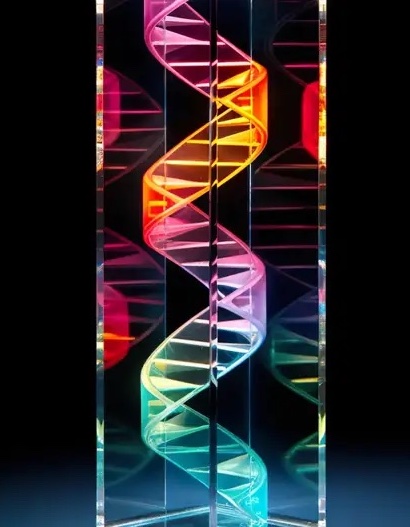
They were able to develop the material from it that was strong but also incredibly lightweight.

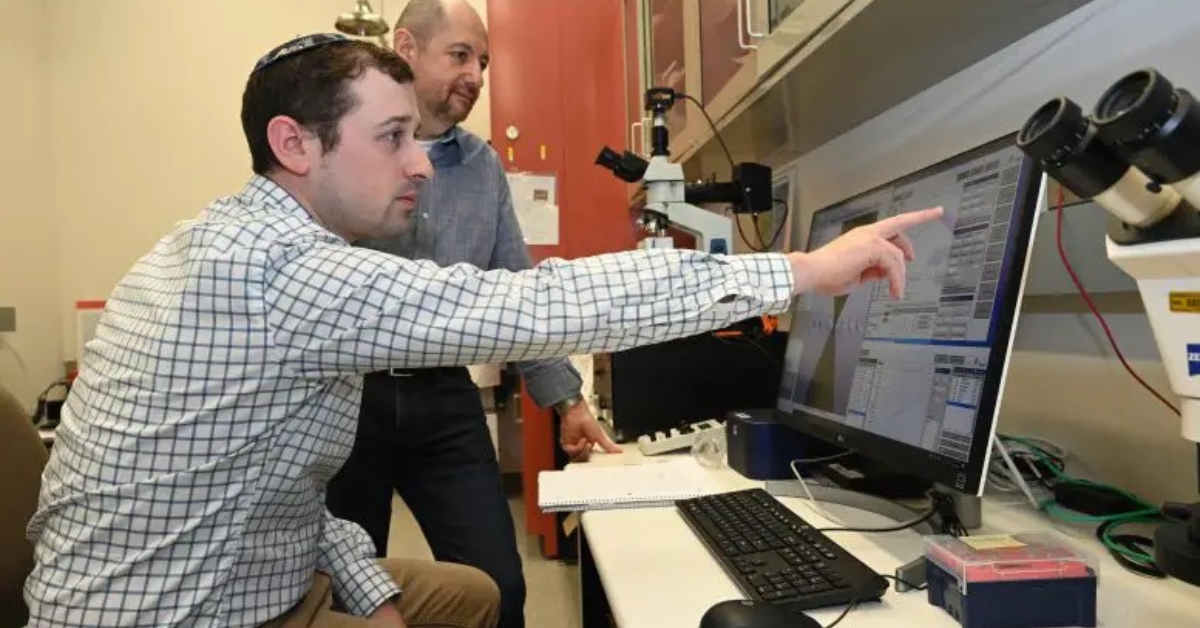
“We focused on using DNA as a programmable nanomaterial to form a complex 3D scaffold,” said Aaron Michelson, a postdoctoral researcher at the Brookhaven National Laboratory, in New York, US.

The lab is run by the US Department for Energy.

It worked with other experts from Columbia University, also in New York and the University of Connecticut, near Hartford.

To test the strength of the material, they used a technique called nanoindentation.

This is a mechanical test where resistive force is applied with precise instruments.
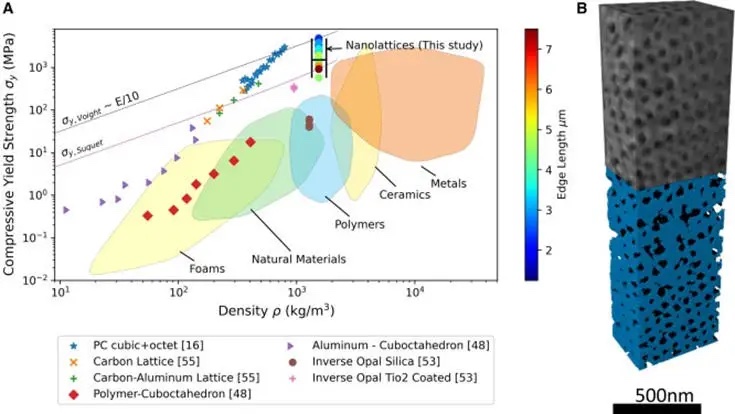
Despite having a density five times lower than steel, the test showed it to be four times stronger.

A further study is now underway, with the research team hoping to look at applying the technique to other materials, such as carbide ceramics.

You May Also Like

Young Generation Z Abandons Music Streaming for Trendy Cassette Tapes at the UK’s Exclusive Store

Dive into the tape culture revival! Mars Tapes, the UK’s only cassette shop, brings affordable nostalgia to Gen-Z. Explore rare finds and vibrant music blends in Manchester

Nine in 10 British business owners work on holiday, new damning study reveals – ‘Business over beach

Over 90% of British business owners work on holiday, sacrificing downtime for business success. TUI’s new scheme offers entrepreneurs a well-deserved break. Read more.

POST NATION: Brits are so fed up with emails that retail giants now send reminder LETTERS for customers to check digital inboxes

Discover how Brits are turning to reminder letters as a respite from email overload. Stay updated on the latest trends in digital communication!

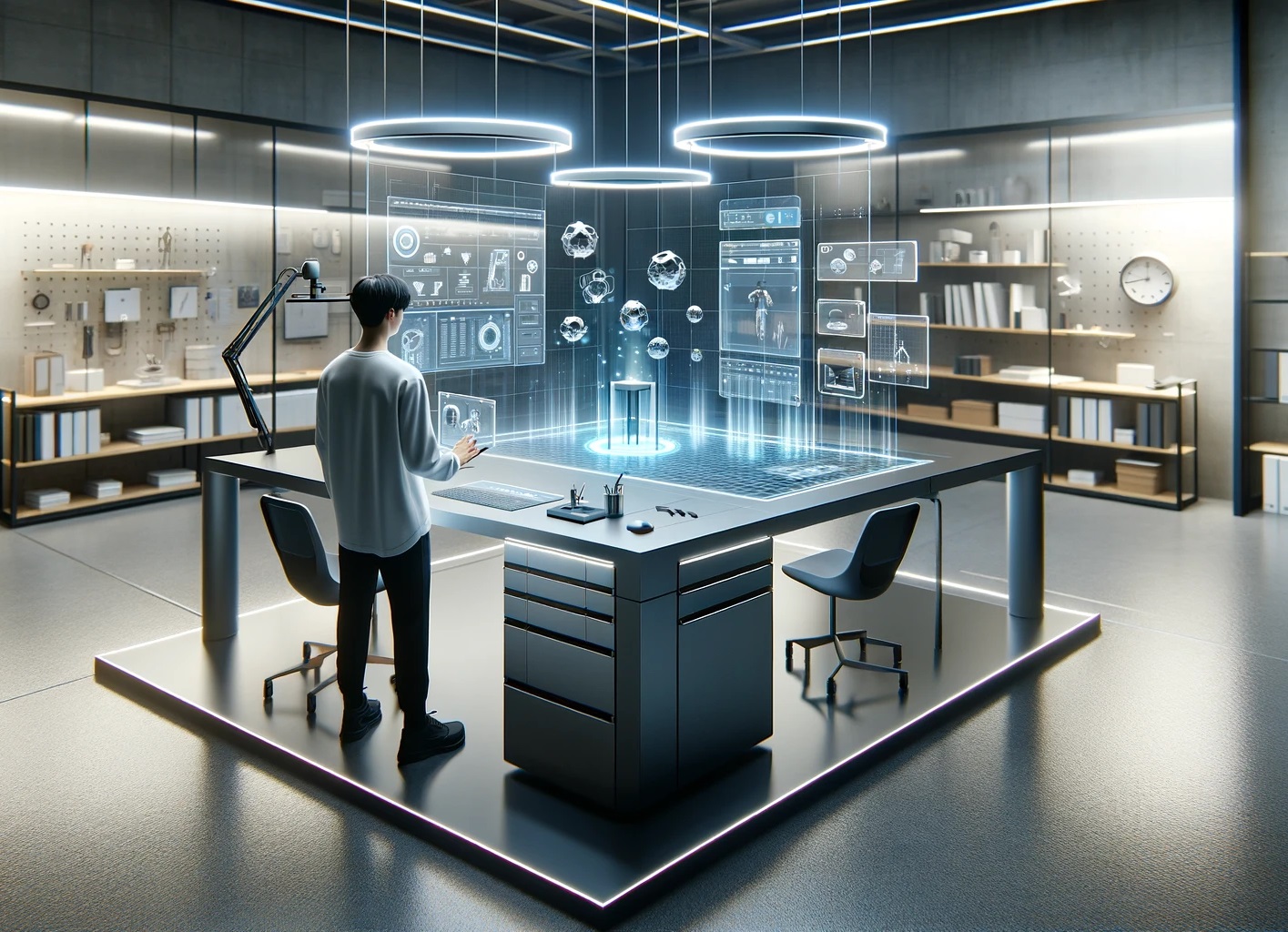
Insights into the Future: Anticipated Office Features in 2050 – from Holographic Calls to Sensor-Controlled Desks and AI Personal Assistants

FreeOfficeFinder.com’s visionary glimpse into 2050 offices: AI-driven tasks, holographic meetings, and a shift to virtual reality workspaces. Explore biophilic designs, neuro enhancement, and sustainable commuting for a holistic future workplace