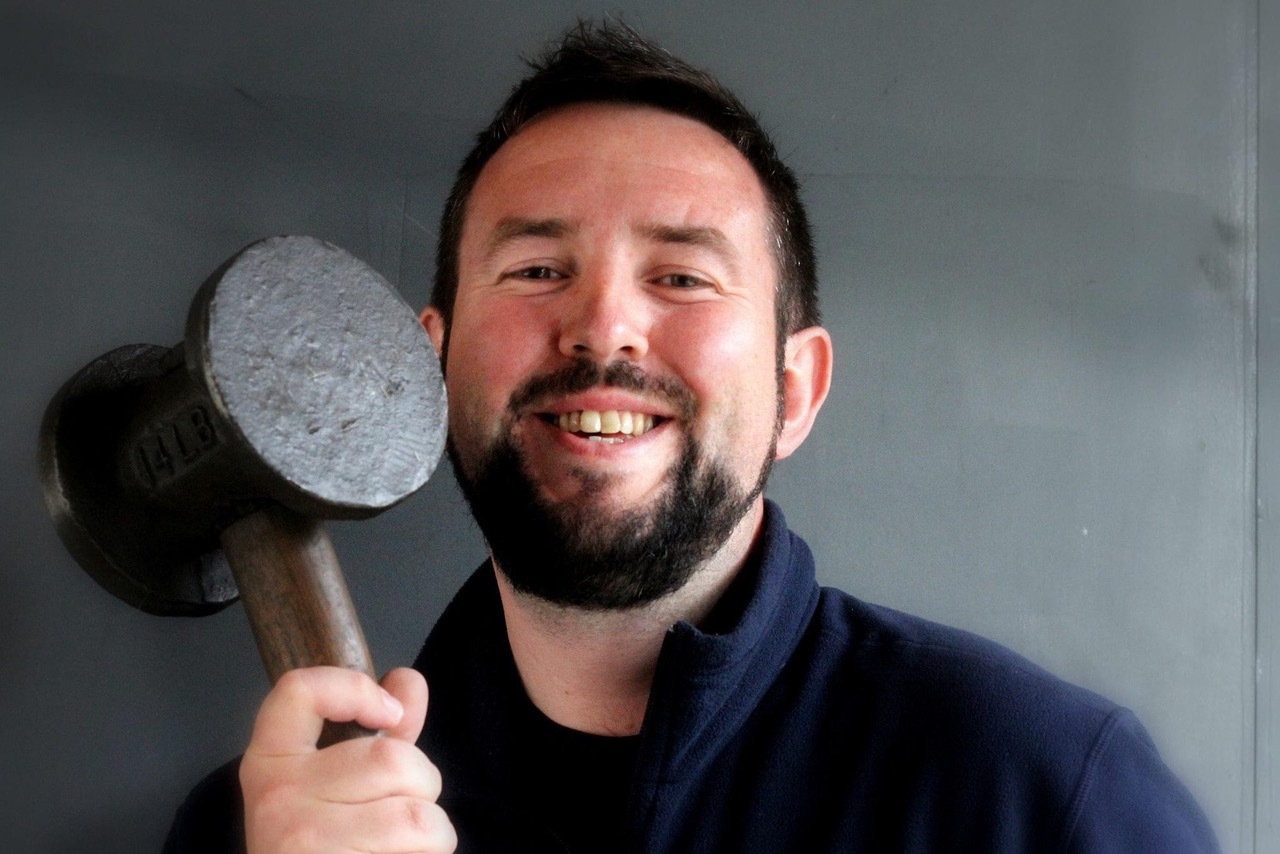

A serial entrepreneur who built a live networking platform now being used across Scotland – says his goal is to make it “the default in-person networking tool.”
Craig Somerville launched WITR (Who’s In The Room?) 15 months ago after attending an annual tech event in 2024 where he was pitching an app idea.
“There were 200 people in the room ranging from government ministers to investors, mentors and more all celebrating the tech startup ecosystem we have in Scotland,” the Stirling-based founder told Founder Insights
READ MORE: Architect turns tech frustration into computing breakthrough
“It was at that event I realised I was an introvert because I didn’t want to network and thought surely there’s a tool to find out who’s here and what’s their intent.
“There wasn’t… so I built it.”
Before founding WITR, Craig worked in environmental filmmaking and building digital assets for those working outdoors.
But the idea for WITR came from a simple frustration: in-person networking was broken, with missed opportunities and wasted time.
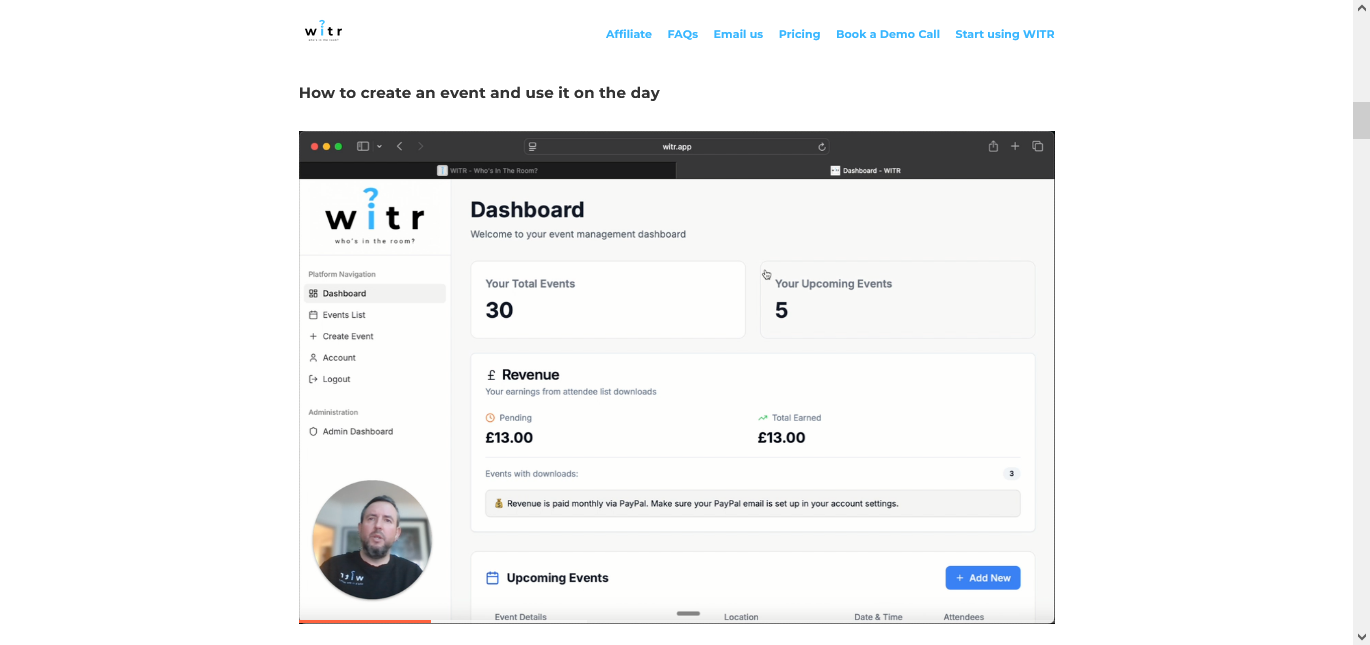
The platform allows event attendees to scan a QR code at registration, pulling their LinkedIn details and letting them share what they want to achieve from that specific event.
“Knowing attendees intent and warm introductions removes wasted time in small talk and missed opportunities,” Craig said.
For event organisers, WITR solves a different problem: no more painstakingly compiling static, GDPR-compliant attendee lists that expire the moment they’re sent out.
“With WITR the attendees build a live, dynamic, and GDPR consented attendee list for themselves and the organiser,” Craig said.
“This saves resources in time and money, and is actually more effective being live and presenting attendee intent.”
Craig co-founded the business with Geoff Todd, who serves as CTO.
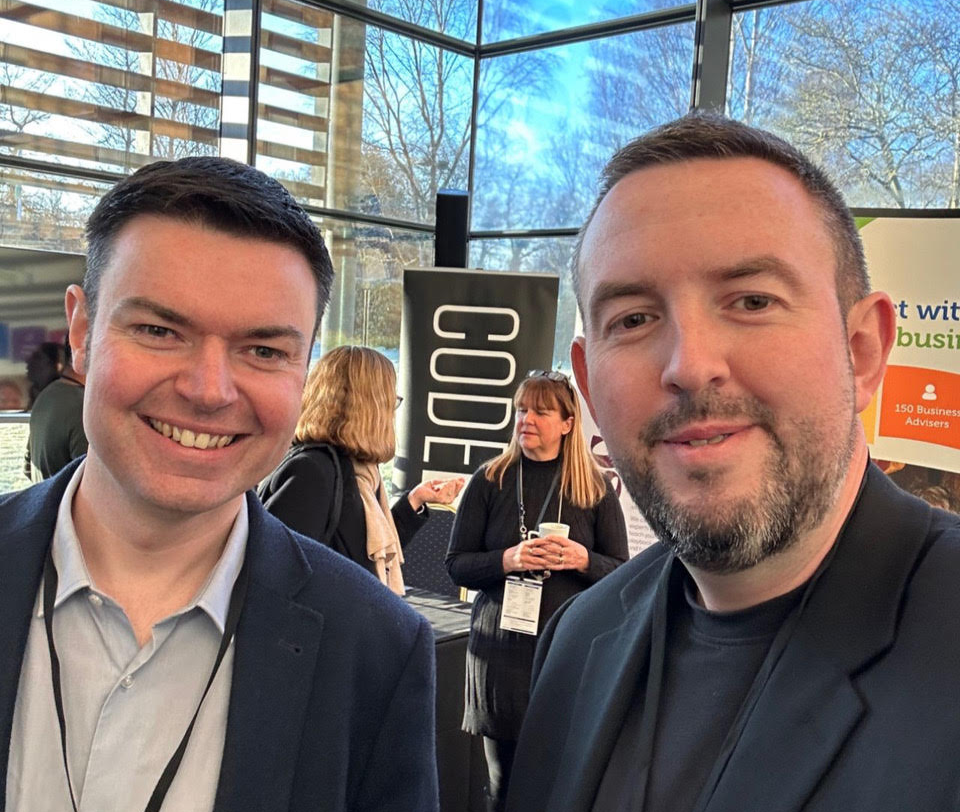
The pair approached TechScaler, a Scottish accelerator organisation funded by the Scottish Government, and the Forth Valley Chamber of Commerce before even building the platform.
Craig said both organisations said: “Invoice me now.”
“Before we’d even typed a line of code, we had already covered the build cost, proven product market fit opportunity, and had regular active users just with those two conversations.”
But the journey hasn’t been without challenges.
Craig describes himself as a serial entrepreneur who has previously built several businesses.
Through those experiences, he learned an important lesson about resilience.
“We’re all told to fail fast, which couldn’t be truer advice, but instead of focussing on all the amazing ways of how your idea could work, find the reasons it’ll fail instead, and if they are not going away – stop building and move on,” he said.
“Only experience can truly teach you this, blind ambition and resilience are features we should be able to turn off and on.”
With WITR, Craig knew something different was happening.
“What I didn’t realise was when you’re on to something, it takes over your life professionally and personally, it throws all sorts of things at you and you have to be more resilient than just deciding an idea is going to fail, because you still don’t know that for sure yet,” he said.
“In short, it’s a mind game.”
The turning point came when people started reaching out to WITR instead of the other way around.
“When you get people reaching out to you, instead of you reaching out to them, something’s happening at that point,” Craig said.
Now, the biggest reward is seeing attendees use WITR.
“Seeing attendees using WITR intuitively, witnessing them use it for the umpteenth time as a valuable and intuitive tool for them to better their own day and everyone else’s,” he said.
The platform has gained enough traction that Craig says attendees are disappointed when event organisers haven’t adopted it yet.
After 15 months in business and recently exiting beta, WITR is about to launch another iteration based on customer feedback from both organisers and attendees.
Craig describes his leadership approach as dependent on his team.
“Depend on those that you work with, and know you’re not as good at the things they do – but equally, make sure you know enough about what they do to support their moves,” he said.
Looking ahead, Craig’s ambition is clear: he wants WITR to become the default networking tool for in-person events, with attendees acting as the company’s best salespeople through user-led growth.